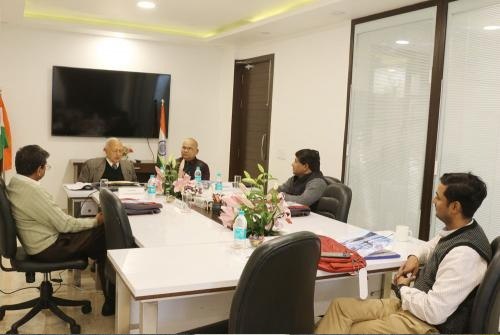
Training and capability enhancement are core pillars of LIGHTS’ organisational mandate. Through targeted capability enhancement interventions, LIGHTS seeks to strengthen knowledge, skills, ethical practices, and institutional effectiveness across education systems, governance structures, and public institutions—contributing to sustainable development, accountable governance, and an informed citizenry.
Under its education and outreach mandate, LIGHTS has consistently worked towards strengthening scientific literacy, data usage, and environmental awareness among school students, teachers, and higher education learners.
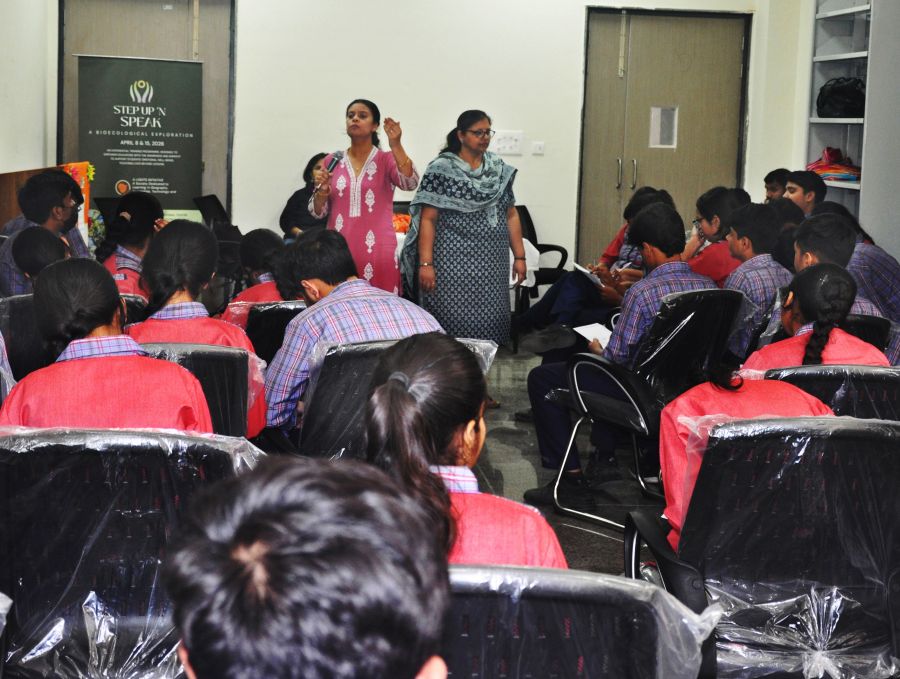
LIGHTS organisation’s TEACHERS SENSITATION TRAINING under Step UP ‘N Speak programme is an experimental training programme designed to empower educators with the awareness and empathy to support students' emotional well-being, touching lives beyond lessons.
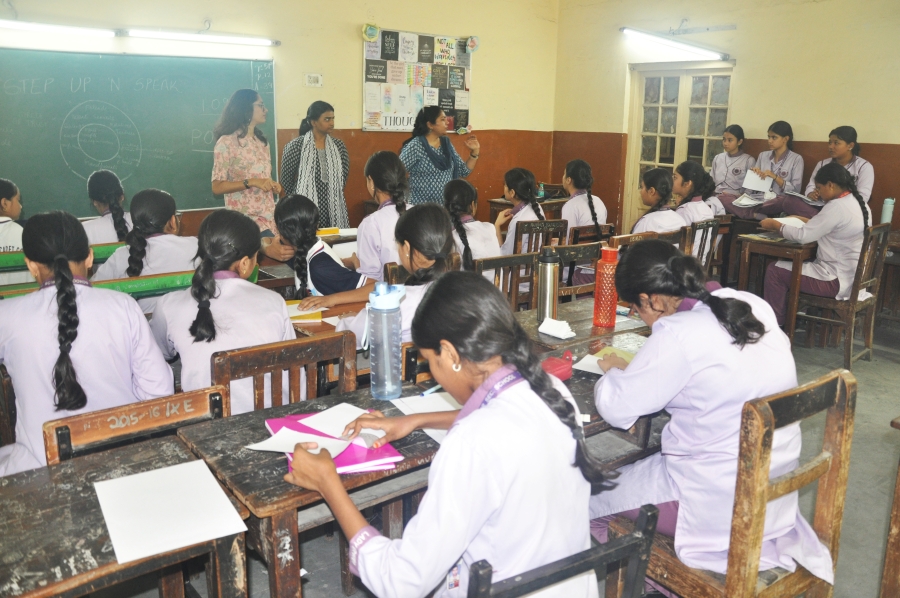

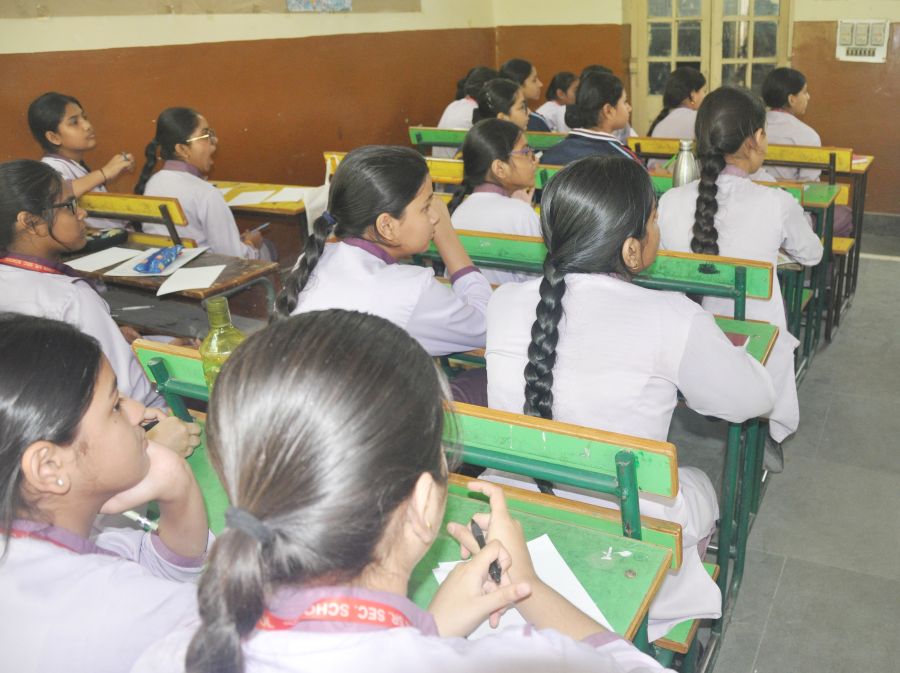
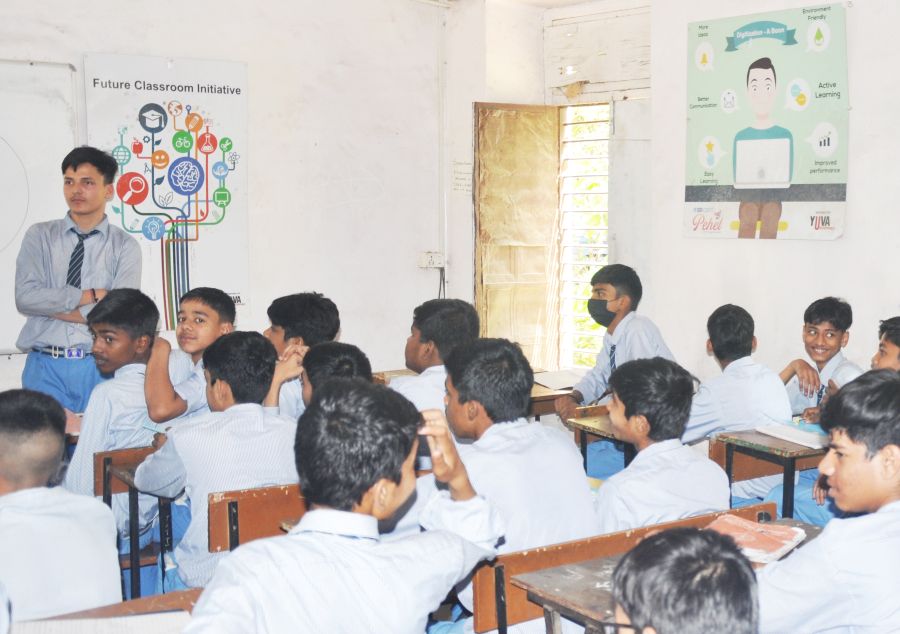
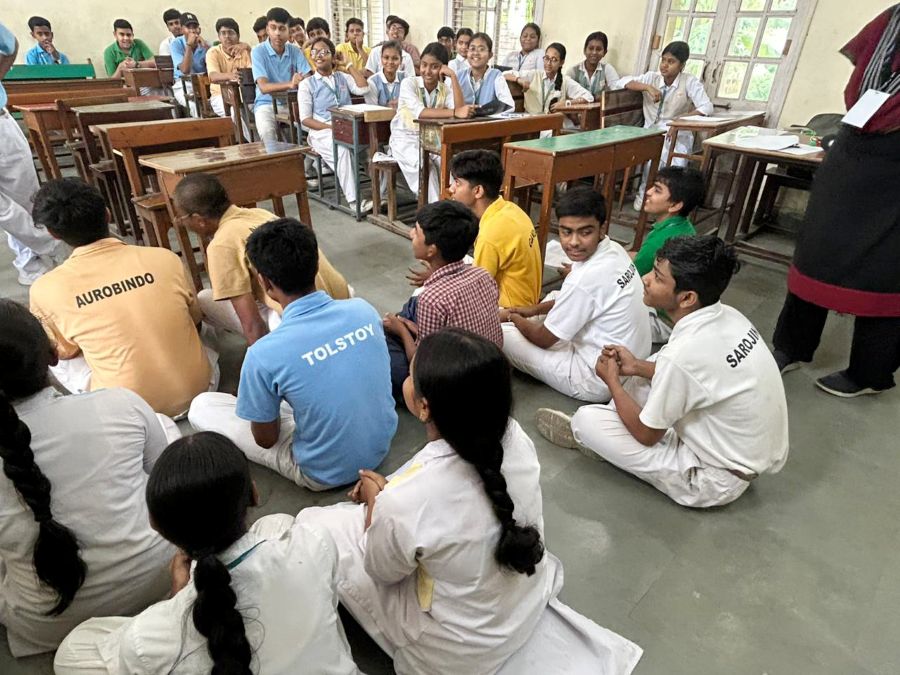
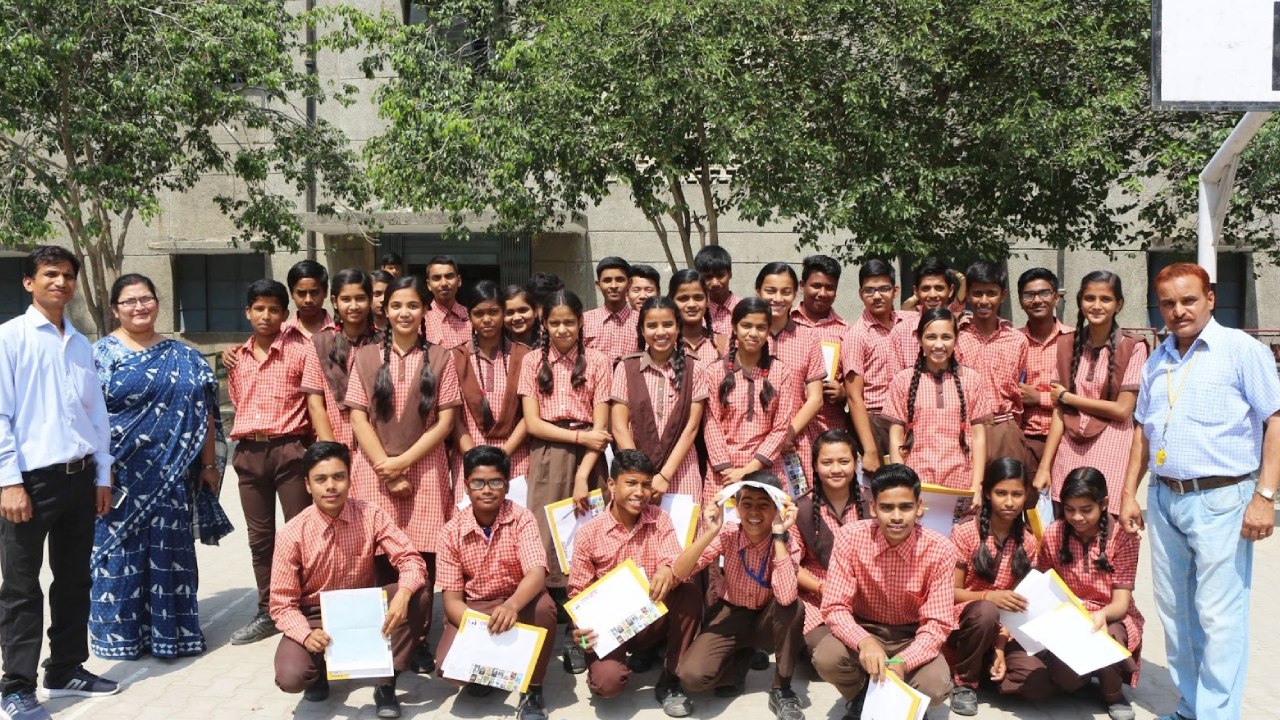
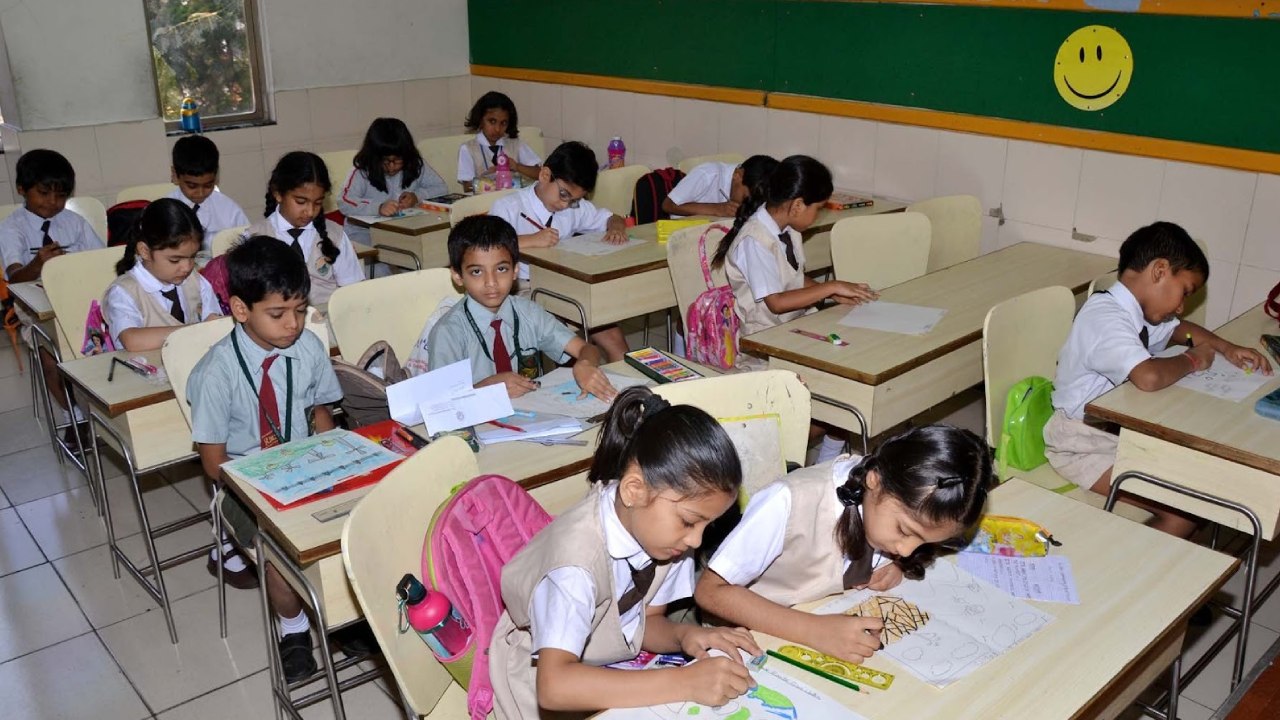
LIGHTS implemented an air pollution awareness and eco-scientific training programme to build environmental understanding and practical knowledge among school teachers and students in Delhi through interactive learning.
Period & Location: April–July 2019, Government schools across the Delhi
Participants / Coverage: The programme covered 20 government schools, reaching 801 students (Classes 6–12) and 20 school teachers, sensitising them to air pollution issues, sources, impacts, and mitigation practices. Objective: To create environmental awareness on air pollution among teachers and students through understanding of taking and reading data, wind speed and direction experiments, carbon footprint etc, to reduce the gap between theoretical knowledge and practical environmental application, and promote scientific outlook and hands-on learning related to air quality monitoring and data interpretation
Institutional Support: Funded by the Department of Environment, Government of NCT Delhi, under its environmental awareness and education initiatives.
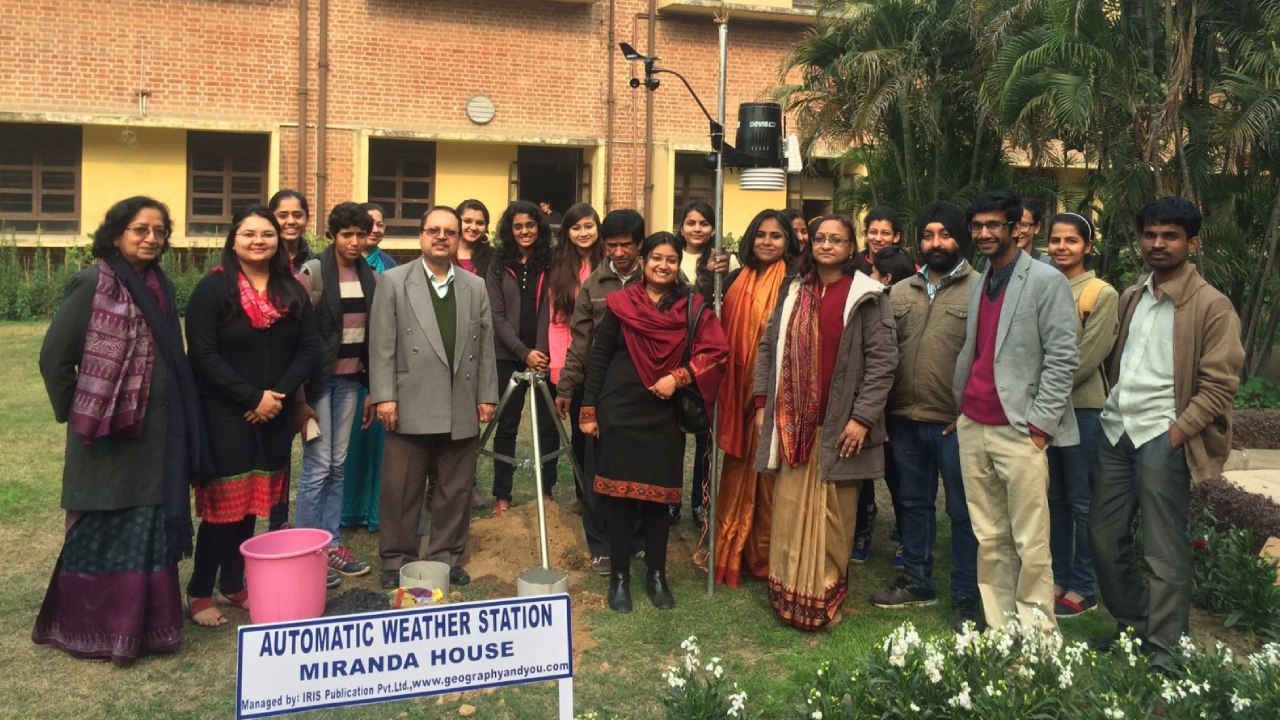
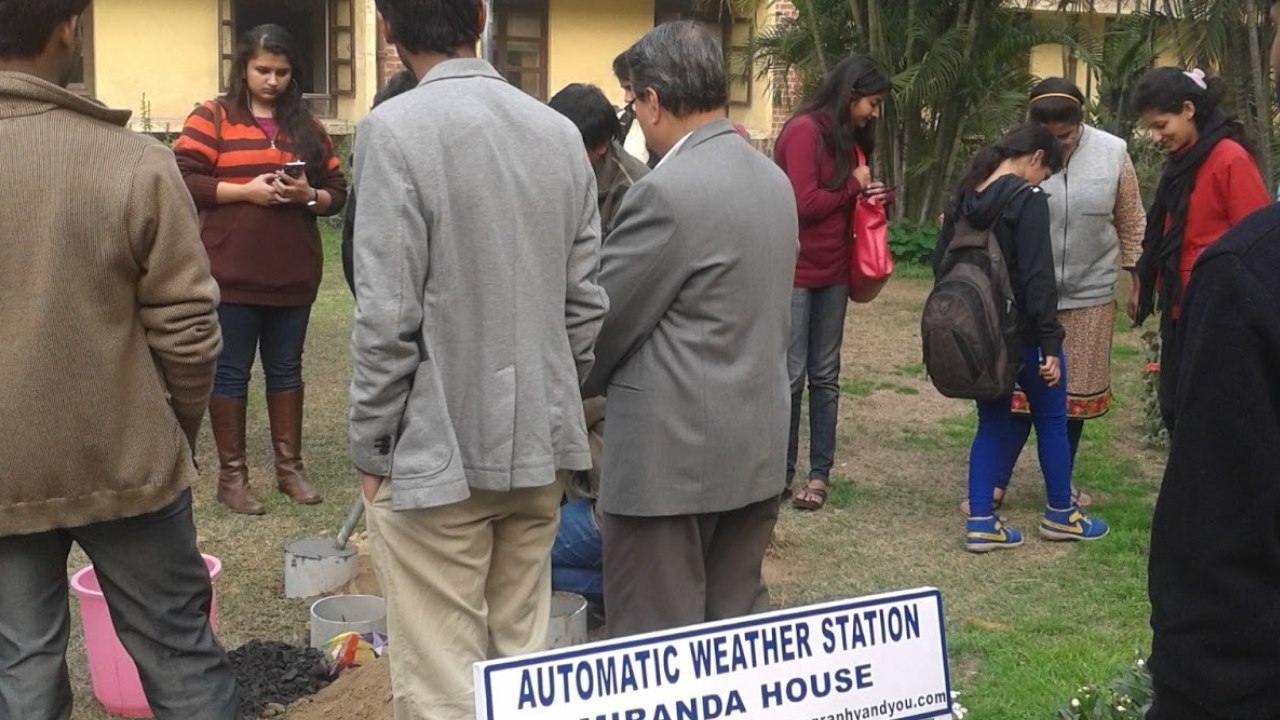
LIGHTS supported the METKIDS Meteorological Training Programme for undergraduate students, combining classroom instruction with hands-on exposure to meteorological instruments and data analysis.
Key Components: Installation and training on an Automatic Weather Station (AWS); lectures and practical sessions on atmospheric processes, weather systems, synoptic codes, weather plotting, and analysis. Senior and retired experts from the India Meteorological Department (IMD) and Indian Meteorological Society (IMS). This programme strengthened hands-on meteorological capacity at the undergraduate level and complemented LIGHTS’ broader focus on science education and data literacy. The programme was fee-based.
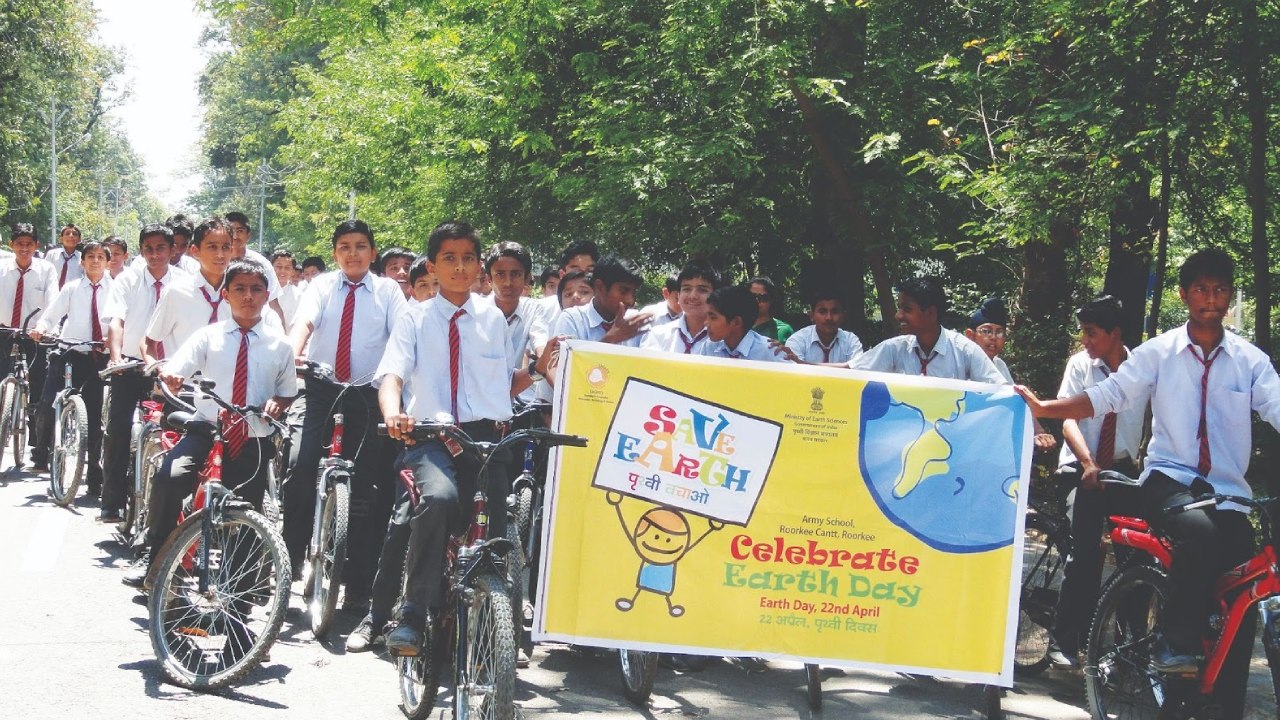
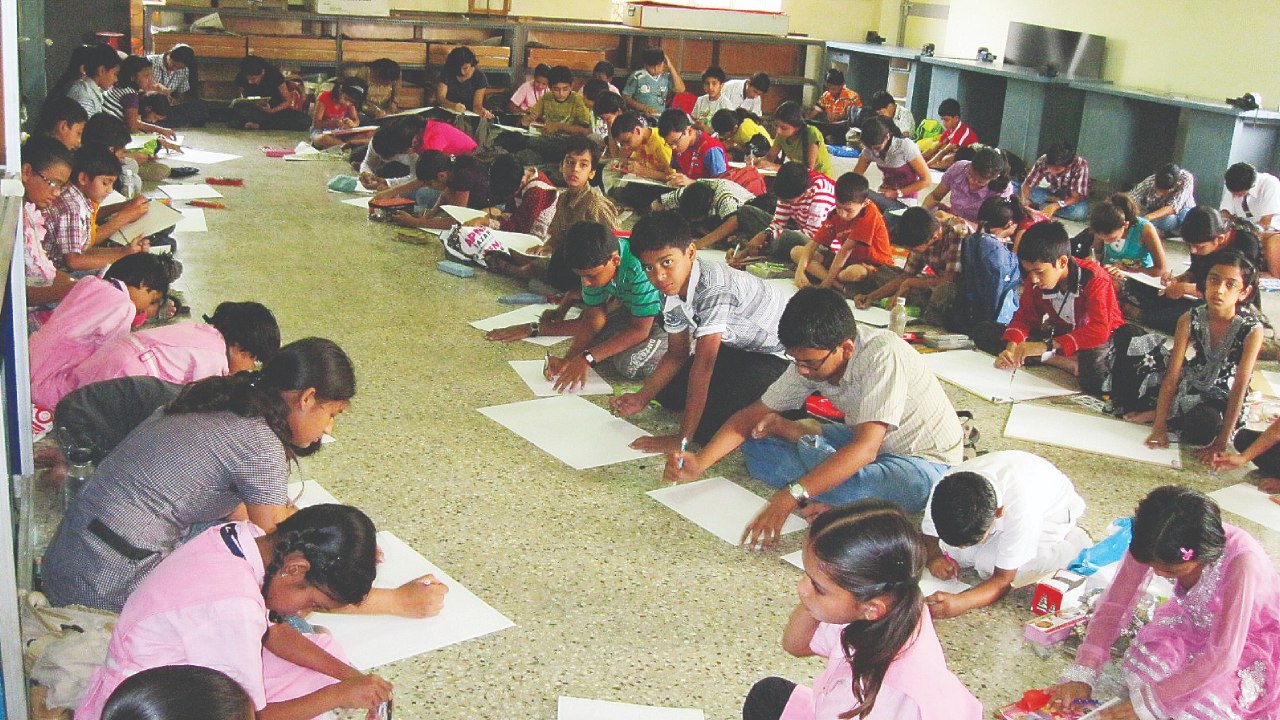
As part of its environmental education and awareness initiatives, LIGHTS organised Earth Day Celebrations across multiple Indian states, engaging school students through creative and participatory learning.
Institutional Support: Funded by the Ministry of Earth Sciences.
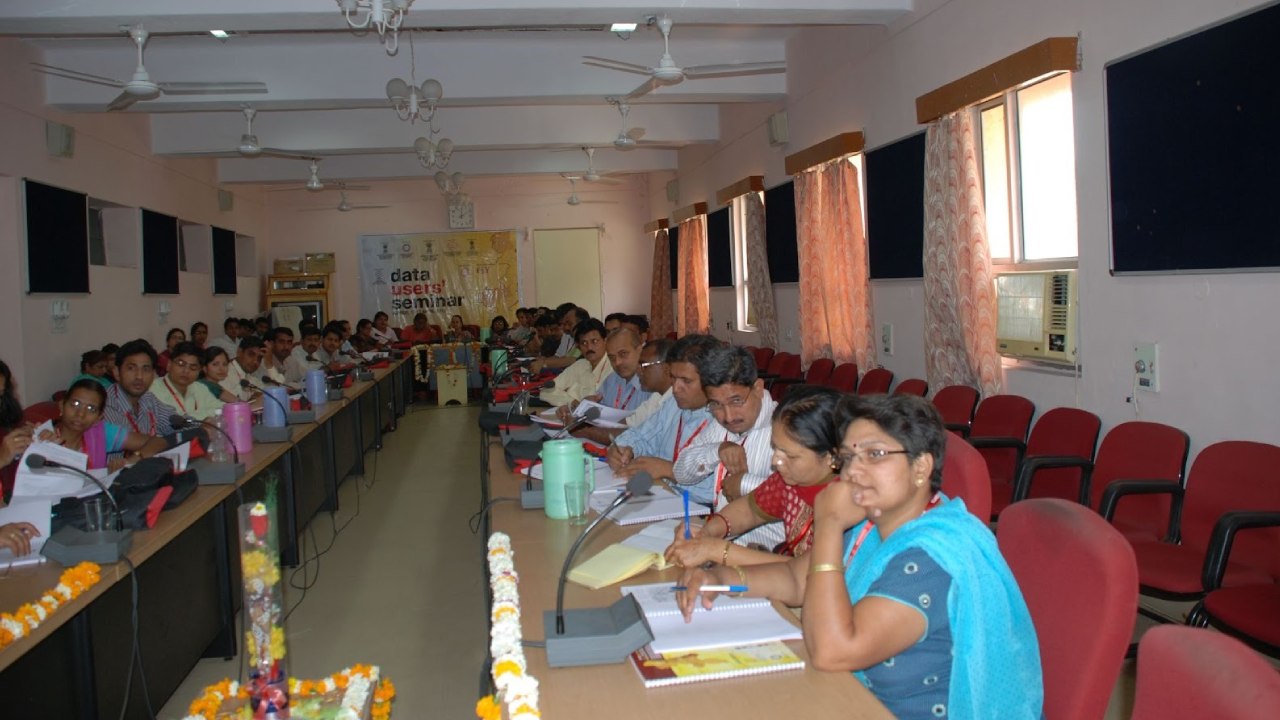
LIGHTS organised National Data Users’ Seminars and GIS Training Programmes to enhance geospatial literacy and data-handling capabilities among educators and students.
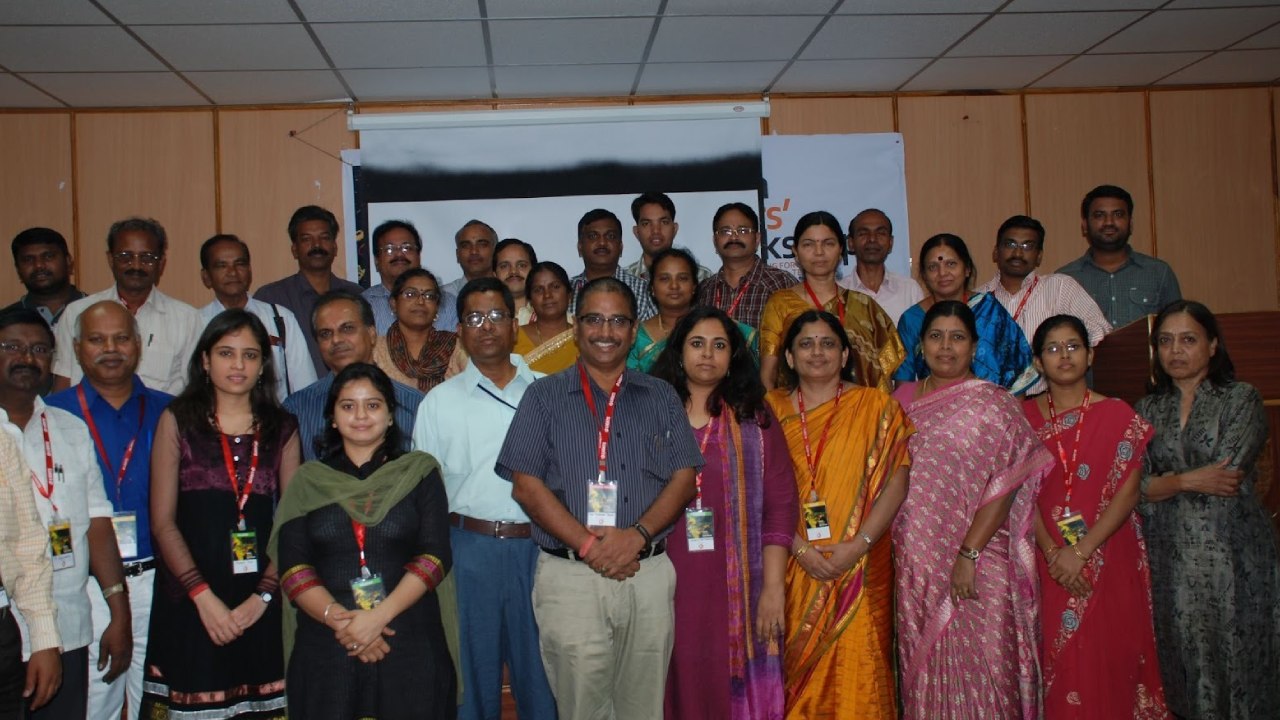
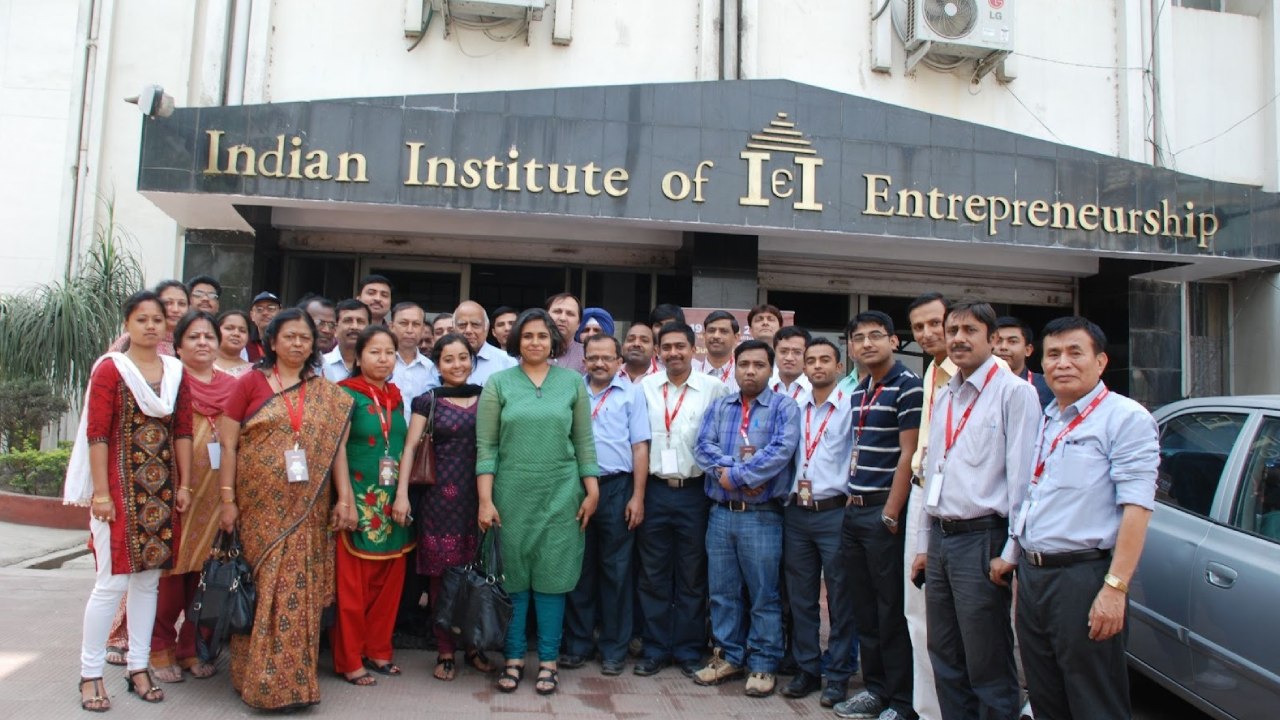
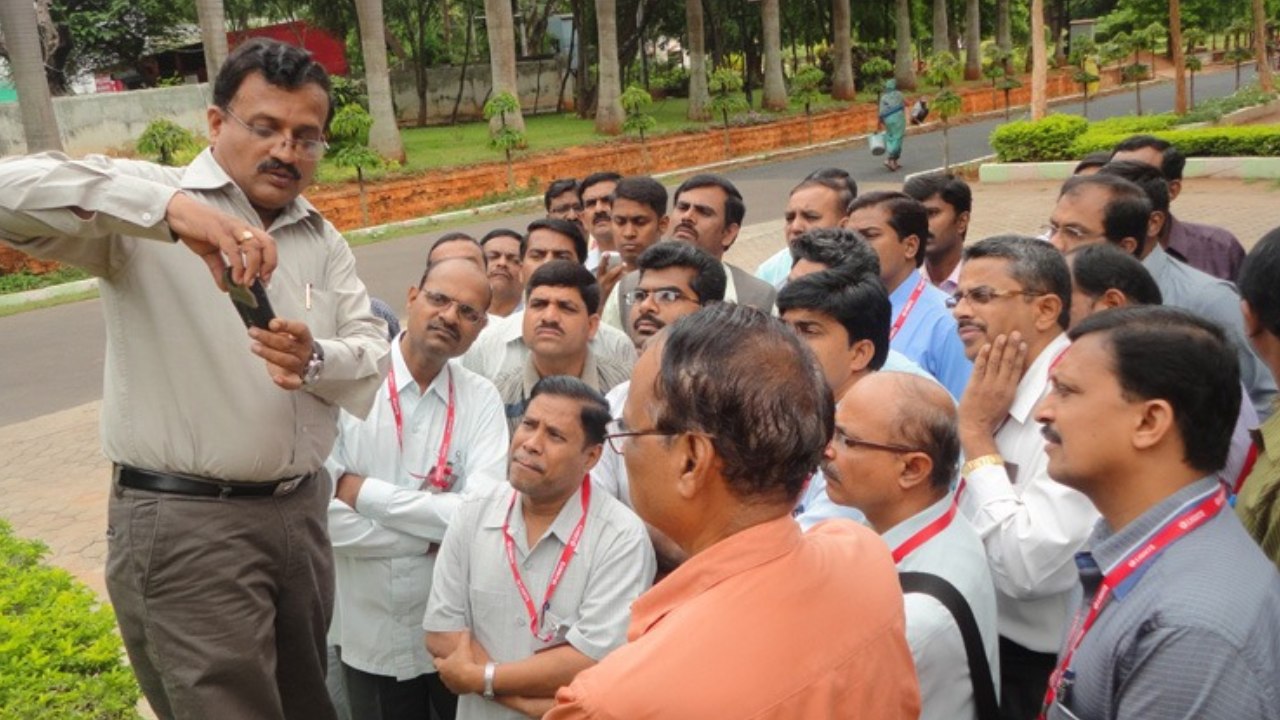
These programmes were supported through national science and technology outreach initiatives, including NRDMS (DST), ICAR, NATMO, the Survey of India, and other government-supported data and mapping agencies. Through these initiatives, LIGHTS significantly contributed to the mainstreaming of geospatial education and strengthened educators' and students' capacity to apply spatial tools in academic and development contexts.
In response to growing global and national concerns, LIGHTS has integrated brain health into its training and capability enhancement mandate, recognising mental well-being as essential to achieving the Sustainable
Development Goals (SDGs), particularly for adolescents and youth. LIGHTS is implementing a project ‘Step up ‘n Speak’ supported as a Corporate Social Responsibility (CSR) initiative of KRAFTON. The programme is being implemented across 50 government-aided schools in New Delhi, with technical support from the Institute of Human Behaviour and Allied Sciences (IHBAS), Delhi government.
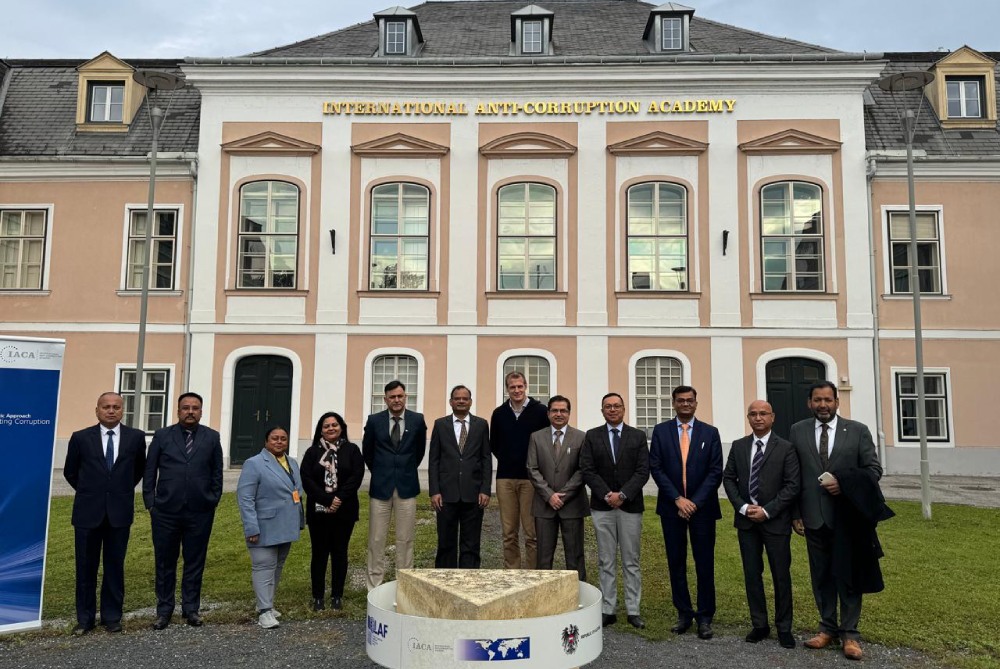
Through its subsidiary department, the Parliamentary and Administrative Research Institute (PARI), LIGHTS has conceptualised, supported, and contributed to extensive national and international training programmes aligned with Mission Karmayogi and the long-term vision of Viksit Bharat 2047. These programmes are funded by various government departments and are implemented as fee-based initiatives.
Anti-Corruption Academy (IACA), Vienna; University of Tasmania; University of Melbourne; DODS, Perth (Curtin University); RMIT University, Melbourne; Queen Mary University, London; and other national and international academic and governance institutions.
These programmes have contributed to improved administrative competence, strengthened ethical governance practices, and enhanced institutional efficiency across government and public-sector organisations.